About Amanda
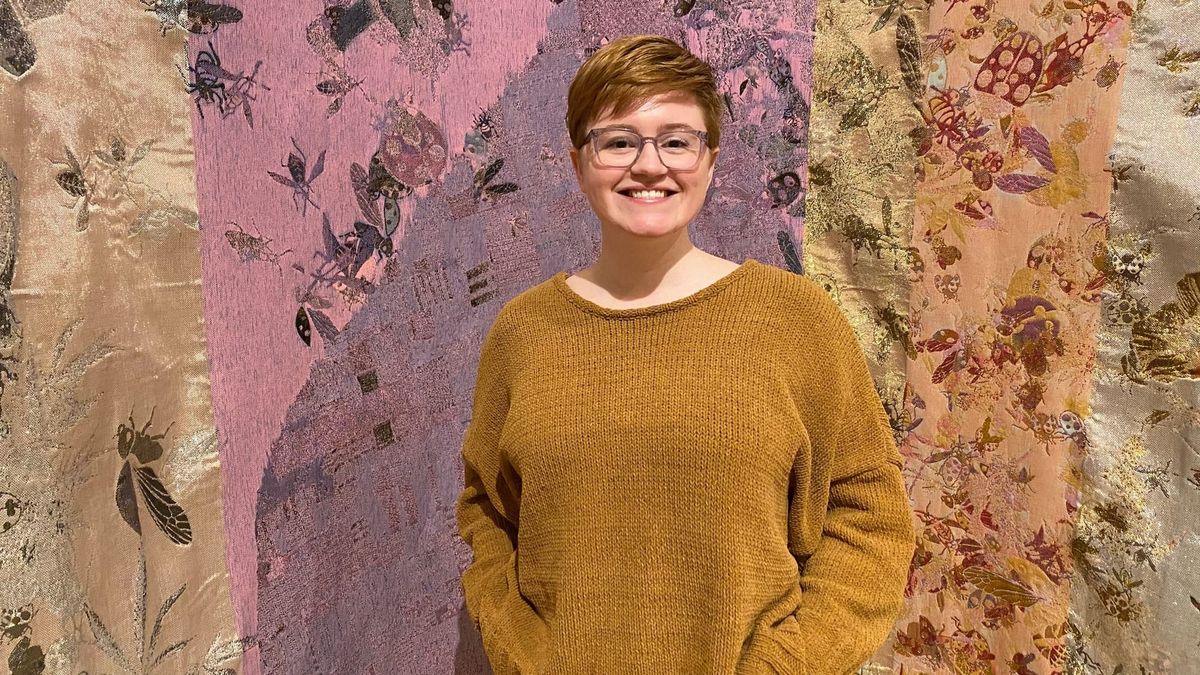
I’m Amanda Helton — a writer, therapist, educator, and public scholar interested in the spaces where story, identity, culture, and relational life intersect.
My work lives at the threshold between personal experience and collective meaning-making. I write about trauma, grief, queer life, neurodivergence, systems of power, relational ethics, public memory, and the ways people make sense of themselves within histories larger than any one life. Across clinical practice, teaching, and public writing, I return again and again to the question of how people survive, narrate, and transform the stories they inherit.
As an Associate Marriage and Family Therapist, my clinical work is grounded in Relational-Cultural Therapy, Feminist Therapy, and Liberation Psychology, with a particular commitment to LGBTQIA2+ communities, neurodivergent-affirming care, and trauma-informed practice. These frameworks shape not only how I sit with clients, but also how I think, write, and engage public questions around care, technology, grief, identity, and belonging.
Before entering the counseling field, I spent years working in digital strategy, accessibility, arts education, and museum practice, including leadership work at the San José Museum of Art. That background continues to influence my relationship to visual culture, narrative, archives, and the politics of representation.
I’m also an EDSE Certified Sex Educator, and much of my writing is informed by long-standing interests in sexuality, embodiment, consent, shame, and the social stories that shape intimacy and selfhood.
My academic background in art history and sociology remains deeply present in how I approach writing: attentive to images, symbols, institutions, systems, and the ways meaning is constructed across time.
Between Stories is a space for essays, reflections, and public scholarship that sit in the in-between: between theory and lived experience, between clinical insight and cultural critique, between rupture and re-authoring.
I’m especially drawn to writing that helps us name what is happening in relational life before language has fully caught up.