Pausing This DSM Series (For Now)

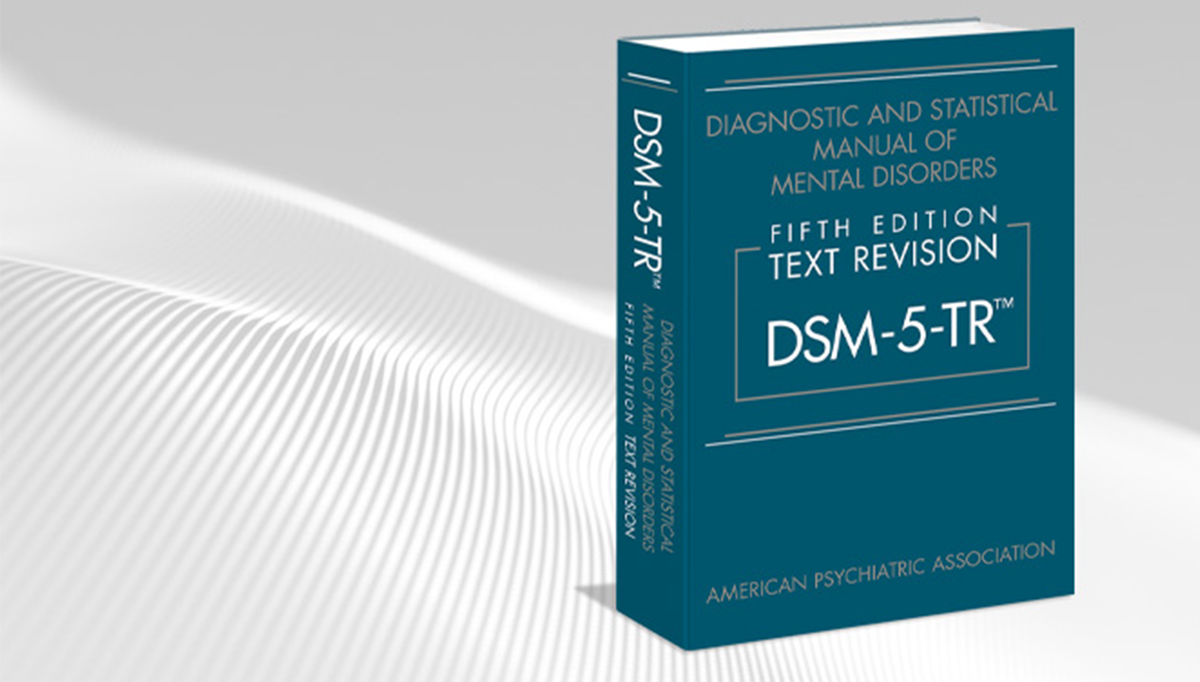
I’m pausing this DSM series here.
Not because the questions are resolved, but because the series has reached a point where continuing would likely produce repetition rather than new insight. What began as an exploration of the DSM as a text and system has become a sustained inquiry into how it organizes human suffering into forms that can be named, documented, and moved through institutional pathways.
At this stage, I want to pause long enough to notice what has actually emerged.
Across these five posts, a few core threads have taken shape:
The first is that the DSM does not simply describe distress—it organizes it. As a classificatory system, it determines what kinds of experiences can be named, recognized, and responded to within clinical and institutional contexts. In doing so, it quietly shapes the boundaries of what counts as knowable suffering.
The second is that DSM categories function less like neutral descriptors and more like narrative infrastructures. They condense complex lived experience into standardized forms that can travel across systems—insurance, treatment planning, documentation. That translation enables access in some contexts, while constraining meaning in others.
A third thread is more structural: throughout this series, questions have emerged about the DSM’s conceptual foundations, including concerns about low validity, shifting diagnostic boundaries, and the influence of institutional and economic incentives on how categories are constructed and maintained. These are not only technical critiques—they shape how authority is produced and maintained within clinical knowledge systems.
The fourth is that the DSM does not remain at the level of text or classification. It enters relationship. Its language becomes part of how people are met, how stories are reflected back, and how futures are imagined, or foreclosed, within clinical space.
Importantly, none of this resolves neatly into a simple “for or against” position. The DSM can function as both access point and constraint, both relief and reduction. That tension does not disappear with critique; it becomes more visible.
So rather than continue to extend this line of analysis in its current form, I want to pause here and let these threads settle.
This is not an ending so much as a threshold.
If this work continues, it will likely need to move in a different direction—less focused on the DSM as an object of critique, and more on the culture that has formed around it, and how that culture shapes what becomes possible in mental health care.
One direction is a deeper examination of what could be called DSM culture: the taken-for-granted habits of thought it produces—the reflex to translate distress into symptoms, to locate problems within individuals, to prioritize classification over context, and to treat complexity as something to be resolved rather than held. This is not only about the manual itself, but about how its logic circulates through training, supervision, documentation, and everyday clinical perception.
Another direction is more practice-oriented: what it might look like to resist that pull in real time. Not by necessarily abandoning the DSM entirely (if you must use it), but by refusing to let it organize the entirety of how a person is understood. What does it mean to stay with complexity longer than systems are designed to tolerate? To hold relational, social, and structural context alongside, rather than beneath, diagnostic language? To insist on forms of care that do not immediately translate lived experience into pathology?
Relatedly, there is a question of how clinicians, and those moving through these systems, can insist on non-pathologizing ways of knowing, even within environments that require diagnostic legibility. What kinds of micro-practices, relational stances, and narrative interventions make that possible? Where does this become constrained, and where does it remain available? And how can we be better prepared to be more transparent about the systems we use with our clients?
What would it take to build a mental health culture that is more comfortable with ambiguity, contradiction, and unfinished stories—one that does not require distress to be fully resolved into category in order to be taken seriously?
I don’t yet know which of these directions will take shape, or whether they will become a formal continuation of this series. For now, I want to resist the pressure to immediately extend the thread, and instead allow space for these questions to deepen.
Thank you for reading along as this has unfolded.